

Sub-Micron Optomechanical Engineering
0.5 µm
We translate complex optical designs into rugged, thermally stable physical hardware. Our engineering team optimizes your mechanical structures to guarantee performance under extreme stress.
Structural stability maintained across extreme thermal and vibrational environments.
Sub-Micron Tolerances
Thermal drift mitigation is calculated down to the single micron. We design and machine kinematic mounts and lens cells that preserve optical alignment under severe thermal shock.
Drift Mitigation
Exact Positioning
Finite element analysis ensures structural rigidity and matches material coefficients of thermal expansion to eliminate optical distortion.
Custom kinematic mounting systems deliver repeatable sub-micron positioning, isolating critical optics from mounting frame stress.
Material Stabilization
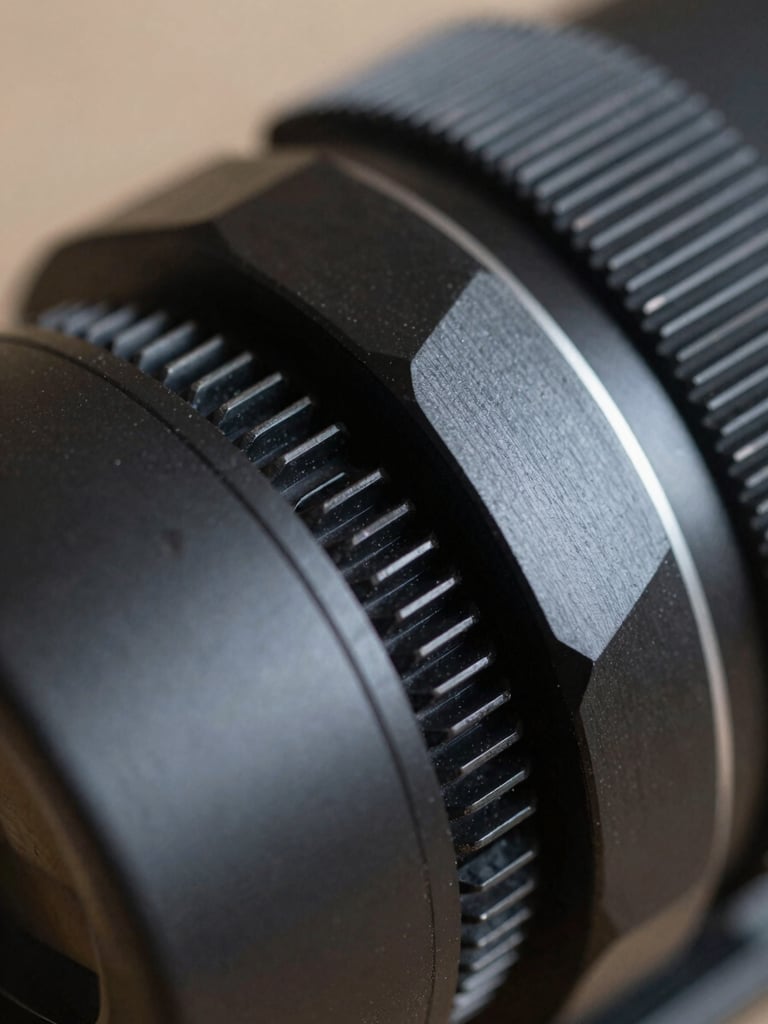
We work exclusively with high-stability alloys including Invar, titanium, and specialized aluminum grades. Every component undergoes thermal cycling to relieve residual stresses.
Our proprietary optical-grade anodizing processes minimize outgassing and eliminate stray light reflections inside laser housings and sensitive sensor enclosures.
Interferometric Testing Standards
Every sub-assembly is verified in our certified clean-rooms. We use phase-shifting interferometry and coordinate measuring machines to document compliance with your exact optical budgets.
FEA Simulation
CMM Verification
Clean-Room Assembly
Predictive modeling identifies mechanical stress points and thermal expansion vectors before we cut any metal.
Coordinate measuring machines probe critical dimensions to verify physical tolerances down to the micron.
Final integration occurs in ISO Class 7 clean-rooms to prevent particulate contamination of optical surfaces.
Submit Your Specifications
Consult directly with our optomechanical engineers. We review your STEP files and optical budgets to deliver a comprehensive manufacturing feasibility assessment.

Vibace, LLC
Sub-micron optomechanical manufacturing for high-consequence systems.
Sitemap
Home
Capabilities
Applications
RFQ
Technical RFQ
bchanapan@vibace.com
Submit STEP files & optical budgets
ITAR Registered & Compliant
(C) 2026 Vibace-Certified clean-room assembly. ISO 9001 compliant.
Sub-micron optomechanical alignment